
Bed bug signs to check after travel include live insects, dark spotting, shed skins, and pale eggs around seams or tight gaps. A careful unpacking routine can help you notice evidence before luggage is stored throughout the home. Found something suspicious? Call JP Miller & Sons Services, Inc at (954) 874-8897 or schedule an inspection online.
Inspect Luggage Before Putting It Away
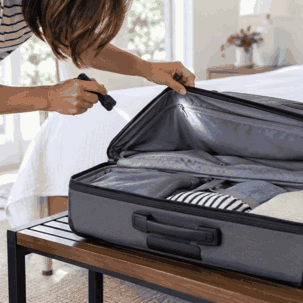
Place luggage on a hard, well-lit surface away from beds and upholstered furniture. Use a flashlight to inspect seams, zipper folds, pockets, handles, and the area around wheels. Bed bugs are flat and can hide in very narrow spaces, so check slowly rather than relying on a quick glance.
If you find a suspicious insect, capture it in a sealed container or take a clear photo if you can do so without direct contact. Accurate identification is important because several small household insects can be mistaken for bed bugs.
Check Sleeping and Resting Areas
Bed bugs usually stay near places where people rest for long periods. Inspect mattress piping, box-spring seams, bed-frame joints, headboards, and nearby furniture. Evidence may include:
- Live insects in seams, folds, or narrow gaps
- Dark spotting on fabric or hard surfaces
- Shed skins from developing bed bugs
- Small pale eggs or eggshells in protected areas
- Rust-colored marks on sheets or mattress covers
Skin marks alone do not confirm bed bugs. Reactions vary, and many other conditions can cause similar irritation. Identification should be based on physical evidence from the room or luggage.
Handle Clothing and Belongings Carefully
Follow the care label on clothing and washable travel items. When an item can tolerate it, laundering and drying may be part of a response plan. Keep suspect items contained until you know how they should be handled.
Do not move unbagged belongings from room to room, discard furniture before confirming the pest, or apply multiple products without reading the labels. Moving items can spread activity, and unnecessary disposal can make an inspection more difficult.
What to Do With the Suitcase
Vacuuming seams and compartments can remove visible debris and some insects, but it does not replace an inspection. Empty the vacuum into a sealed bag and place it in an outdoor receptacle. Store the suitcase away from sleeping areas until you are comfortable that no evidence is present.
If the suitcase cannot be inspected or treated without damaging it, leave it contained and ask a pest-control professional about the next step.
When to Request a Professional Inspection
Request help when you find a live insect that may be a bed bug, see repeated spotting or shed skins, or continue to notice evidence after unpacking. A technician can inspect likely hiding areas, confirm the pest, and explain treatment and preparation options based on the conditions found.
JP Miller & Sons Services, Inc provides bed bug inspections and treatment planning for Broward and Palm Beach properties. Share recent travel details and the locations where evidence appeared so the inspection can focus on the most relevant areas.
Steps to Take After Traveling
- Inspect Your Luggage: Check your bags for signs of bed bugs before entering your home. Inspect on a hard, well-lit surface and avoid direct contact with insects. Before calling
- Wash Clothes Immediately: Follow each item’s care label and keep suspect items contained until you know how they should be handled. Before calling
- Vacuum Your Suitcases: Thoroughly vacuum all luggage compartments to remove any pests. Empty vacuum contents into a sealed bag and place it in an outdoor receptacle. Before calling
Always follow product labels and keep children and pets away from treatment areas as directed. For active infestations, termites, wildlife, or uncertainty about safe treatment, contact a licensed pest-control professional.