
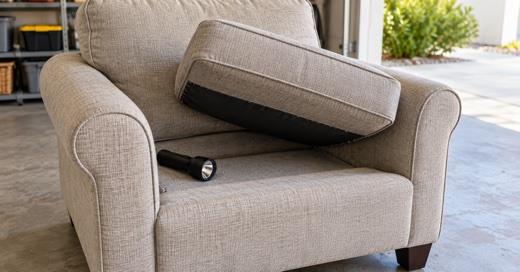
Secondhand furniture pest checks can be part of planning a guest room or adding seating before the holidays. An attractive chair or couch still deserves a closer look before you bring it home. A visual check can identify questions to ask, but it cannot certify that an item has no hidden pests. For recurring pest activity, call JP Miller & Sons Services, Inc at (954) 874-8897 or schedule an inspection online.
Ask Questions Before Arranging Pickup
Find out what you can about the item, how it has been stored, and whether the owner has noticed pest activity. Keep the conversation factual and avoid assumptions about a person or household. A seller may not have information that settles your concern, and an incomplete history is not proof of a particular pest.
Arrange a place and time where the accessible parts of the item can be viewed in adequate light. If the inspection would involve unsafe lifting, damaged furniture, or a location you cannot use safely, choose another arrangement. Do not let a tight pickup schedule force a decision you are uncomfortable making.
Look at Accessible Seams and Joints
EPA advises checking secondhand beds, couches, and furniture for bed bug signs before bringing them home. Its identification guidance describes places such as upholstery seams, the spaces between cushions, and furniture joints. Examine only areas you can reach without dismantling unsafe parts or handling an unknown insect.
Use a flashlight and photograph anything suspicious in place. Note whether it was on the fabric, frame, or another part of the item. Stains or debris alone do not establish an identification, and other insects can be mistaken for bed bugs. A professional evaluation may be needed to interpret the finding.
Do Not Treat Appearance as a Guarantee
A clean-looking surface, a recent vacuuming, or a seller statement that an item was treated does not establish what is inside it now. Ask what service or product was used and when, if that information is available. Keep records rather than relying on a general claim that the furniture was checked.
If concern remains, pause the purchase or move until you can make an informed decision. Avoid carrying a questionable item through multiple rooms just to find a place to examine it. Tell the pest professional whether the furniture has already entered the property and where it has been placed.
Avoid Improvised Treatments
Do not apply a pesticide to furniture simply because it is secondhand. The label must permit the item, location, and method of use. Products intended for other uses do not become appropriate because a chair or couch is difficult to inspect.
Avoid improvised heat setups, open flames, or unapproved chemical combinations. Do not describe a home remedy as a substitute for identification and a service plan. If treatment is recommended, ask about preparation, handling, and any directions that apply before the item is used.
Keep a Useful Record if Activity Appears Later
Record when the item arrived, where it was placed, and the dates and locations of any later sightings. Keep photographs and relevant service information together. This is a way to explain the sequence of events, not a way to prove where a pest originated.
If activity continues, request an inspection and describe the concern directly. Ask what can be identified, which areas should be evaluated, and what to do with the item while the concern is assessed. Follow professional instructions rather than repeatedly moving or treating it on your own.
JP Miller & Sons Services, Inc serves Broward and Palm Beach Counties. Learn about our residential and commercial pest-control services or contact us to discuss your property.
Further reading: EPA: Protecting Your Home from Bed Bugs; EPA: How to Find Bed Bugs.
What You Can Do Before the Visit
- Check before pickup: Arrange adequate light and safe access to ordinary seams and joints.
- Photograph in place: Record suspicious signs without handling unknown insects or dismantling furniture.
- Pause when uncertain: Get identification and handling guidance before bringing a questionable item inside.
Always follow product labels and keep children and pets away from treatment areas as directed. For active infestations, termites, wildlife, or uncertainty about safe treatment, contact a licensed pest-control professional.
AI-generated photo illustration of a household prevention scenario; not a photograph of company staff or completed work.