
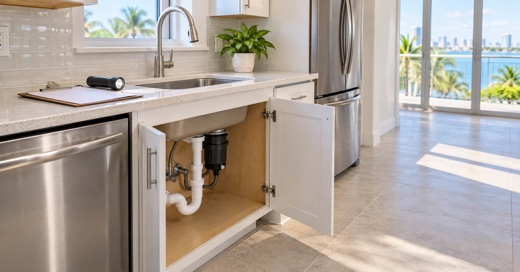
A rental turnover pest inspection is easier to organize when records, maintenance work, and access arrangements are in one place. The period between occupants can be a useful opportunity to discuss recurring activity and unfinished repairs. It is not a reason to assume every vacant property needs the same treatment. For recurring pest activity, call JP Miller & Sons Services, Inc at (954) 874-8897 or schedule an inspection online.
Assemble a Short Property History
Gather recent pest-service notes, reports of activity, repair dates, and any photos that are relevant to the property. Keep the record factual: where something was seen, when it was reported, and what action followed. Avoid assigning responsibility for a pest concern based only on who occupied the unit.
Include products used by maintenance staff or occupants when that information is available. Share those details with the inspecting professional rather than adding another product before the visit. A concise history gives the technician a useful starting point and helps identify questions that still need an answer.
Separate Cleaning From Repair and Inspection
A turnover checklist often includes several people and tasks. Keep cleaning, building repairs, and pest inspection as distinct items with an owner and date. EPA describes cooperation among residents, managers, staff, and pest professionals as important in multi-family housing.
For example, a cabinet may need ordinary cleaning, a plumber may need to evaluate a recurring drip, and a pest professional may need to identify insect activity in the same area. Completing one item does not prove the others are resolved. Record what was finished and what remains open.
Arrange Safe, Authorized Access
Confirm the appointment, who will meet the technician, and which rooms or storage areas can be inspected. Follow the access and notice procedures that apply to the property. This checklist is operational planning, not a statement about a landlord or tenant legal duty.
Clear light, ordinary items from accessible inspection areas when safe. Leave heavy appliances, electrical equipment, damaged materials, and unsafe attics or crawl spaces to qualified professionals. If an area cannot be accessed safely, tell the technician rather than improvising a way in.
Ask What the Findings Mean
EPA integrated pest management guidance emphasizes monitoring and accurate identification before choosing controls. Ask what was observed, whether a pest was identified, and which conditions need attention. An inspection report should be read for its actual findings rather than treated as a blanket guarantee.
Ask how the plan relates to the property layout and previous reports. In a multi-unit building, explain any relevant common-area or neighboring-unit observations without assuming the source. The appropriate response may require coordination, and access to another area should follow the applicable authorization process.
Make the Handoff Clear for the Next Occupant
Keep completed repair notes, service directions, and follow-up dates together. Identify who will receive new reports of activity and what information they should collect. A simple reporting route is more useful than telling the next occupant to wait until a concern becomes severe.
Follow all service preparation and reentry directions if treatment is recommended. Do not promise a future occupant that the home is pest-free based solely on vacancy, cleaning, or one visit. Share accurate records and the agreed process for reporting and follow-up instead.
JP Miller & Sons Services, Inc serves Broward and Palm Beach Counties. Learn about our residential and commercial pest-control services or contact us to discuss your property.
Further reading: EPA: Resources for Residents of Multi-Family Housing; EPA: Integrated Pest Management Principles.
What You Can Do Before the Visit
- Gather the history: Collect dated sightings, service notes, repair records, and known product use.
- Confirm safe access: Arrange authorized entry and clear ordinary accessible areas without moving unsafe equipment.
- Assign follow-up: Record who owns each repair, service action, and response to a new report.
Always follow product labels and keep children and pets away from treatment areas as directed. For active infestations, termites, wildlife, or uncertainty about safe treatment, contact a licensed pest-control professional.
AI-generated photo illustration of a household prevention scenario; not a photograph of company staff or completed work.