
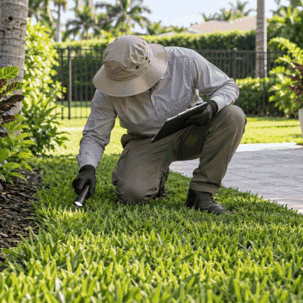
Flea and tick prevention for South Florida homes requires attention to both outdoor conditions and indoor routines. Warm, humid weather allows these pests to remain active through much of the year, and they can be carried inside by pets, people, or wildlife that crosses the property. Concerned about fleas or ticks? Call JP Miller & Sons Services, Inc at (954) 874-8897 or schedule an inspection online.
How Fleas and Ticks Reach the Home
Fleas commonly enter on pets or wildlife and may settle in carpeting, pet bedding, upholstered furniture, or shaded outdoor areas. Ticks are more likely to wait in vegetation for a passing host, but they can also be carried indoors on clothing or animals.
Seeing one pest does not show how large the problem is. Flea eggs and immature stages may be present in areas where pets rest, while ticks can hide in small gaps or along the edges of rooms. A careful inspection helps identify where activity is concentrated before a treatment plan is selected.
What to Check Outdoors
Start with the parts of the property that stay shaded or hold organic debris. Fleas and ticks benefit from protected areas where pets or wildlife spend time.
- Keep grass trimmed and remove leaf litter from fence lines, patios, and play areas.
- Check shaded soil, groundcover, and spaces beneath decks or outdoor furniture.
- Store pet bedding in a clean, dry location and wash it according to the manufacturer’s directions.
- Reduce wildlife access to food, water, and shelter near the home.
- Ask a veterinarian which preventive products are appropriate for each pet.
What to Check Indoors
Vacuum the areas where pets sleep, rest, or travel most often. Pay attention to carpet edges, upholstered furniture, and gaps around baseboards. Empty the vacuum outdoors after use and follow the equipment manufacturer’s cleaning instructions.
Pet scratching can have many causes, so it is important not to diagnose a pest problem from one symptom alone. Use a flea comb when appropriate, inspect pet bedding, and speak with a veterinarian if you are concerned about a pet’s health.
Why One Treatment May Not Address Every Stage
Fleas develop through egg, larval, pupal, and adult stages. Some stages can remain protected in carpeting or other sheltered locations. That is why a treatment plan may include preparation, follow-up, and continued cleaning rather than a single application.
Ticks have a different life cycle and behavior, so accurate identification matters. A technician can inspect indoor and outdoor conditions, identify likely harborage areas, and explain which parts of the property should be addressed.
When Professional Help Makes Sense
Consider a professional inspection when you continue to find fleas or ticks after routine cleaning and pet care, when several rooms appear affected, or when activity returns after an initial attempt. JP Miller & Sons Services, Inc works with homeowners in Broward and Palm Beach counties and can develop a plan based on the property, pest, and level of activity.
Prepare for an Inspection
Before the appointment, note where and when pests were seen, which pets use each area, and whether wildlife has been active near the property. Keep any specimen in a sealed container only if you can do so without direct contact. These details can help the technician focus the inspection and provide practical next steps.
What You Can Do Now
- Maintain Your Yard: Regularly trim grass and remove yard debris to reduce flea and tick hiding spots. Wear gloves when handling yard debris and wash hands afterward. Before calling
- Inspect Your Pets: Frequently check your pets for signs of fleas and ticks, especially after outdoor activities.
- Seal Entry Points: Close gaps in doors and windows to prevent outdoor pests from entering your home. Before calling
Always follow product labels and keep children and pets away from treatment areas as directed. For active infestations, termites, wildlife, or uncertainty about safe treatment, contact a licensed pest-control professional.