
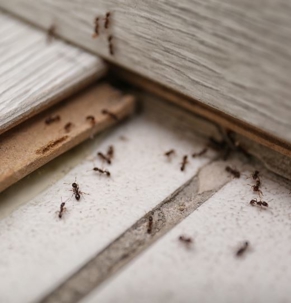
Moisture hotspots in South Florida homes deserve attention when insects keep appearing in the same room. A damp cabinet or persistent condensation can be useful inspection clues, but moisture alone does not identify a pest or prove an infestation. If you are noticing recurring activity, call JP Miller & Sons Services, Inc at (954) 874-8897 or schedule an inspection online.
Start With the Source of the Moisture
A practical check begins with a simple question: is this area temporarily wet after normal use, or does it remain damp? Write down when you first noticed the condition and whether it returns after showers, laundry, irrigation, or rain. These details can help you explain the problem to the appropriate professional.
UF/IFAS identifies humidity as an important factor for booklice and silverfish. Its cockroach guidance also recommends addressing available water sources. That does not mean every insect found near a sink is the same species. A useful plan combines pest identification with attention to the conditions at that particular property.
Look Under Accessible Sinks and Around Bathrooms
From a safe, standing position, look inside accessible sink cabinets for visible drips, damp stored items, or staining. Move ordinary household items only when it is safe to do so. Note whether moisture appears around a supply connection, beneath the drain, or on the cabinet floor; do not dismantle plumbing to investigate.
In bathrooms, check whether surfaces dry between uses and whether the room's existing ventilation equipment appears to be working. Persistent dampness, new staining, or a musty smell warrants further evaluation. A plumbing or building professional may be needed to address the underlying moisture problem, while a pest inspection can evaluate the insect activity.
Include Laundry and Storage Areas
Look for visible moisture around laundry fixtures and stored items without pulling out heavy appliances or disturbing electrical connections. In a garage or closet, check the accessible edges of shelves and the floor around stored belongings. Record damp packaging or insect sightings so the inspection can focus on the relevant locations.
Organize only as much as you can safely manage. Leave space to see the edges of storage areas, and avoid putting clean, dry belongings back into a location that is still wet. If a leak or water intrusion is unresolved, changing the storage container is only part of the work.
Document Patterns Without Disturbing Unsafe Areas
Take a photo of a visible insect and its location when you can do so without touching it. Keep a short log with the date, room, moisture condition, and any recent repair or pest treatment. A picture may help an inspection, but a distant or blurry image may not be enough for identification.
Do not enter unsafe attics or crawl spaces, open walls, probe damaged wood, or handle wet electrical equipment. Report those conditions instead. Avoid adding a pesticide simply because an area is damp; identification and the product's labeled use matter.
Coordinate Repairs and Pest Inspection
When dampness returns or pest activity persists, explain both concerns when requesting help. Ask what areas can be inspected, what moisture-related observations were found, and which repairs or follow-up checks are recommended. A repair and a pest service may address different parts of the same property concern.
JP Miller & Sons Services, Inc serves Broward and Palm Beach Counties. Read about our residential and commercial pest-control services or contact us to discuss recurring pest activity.
Further reading: UF/IFAS: Booklice and Silverfish and UF/IFAS: Cockroaches and Their Management.
What You Can Do Before the Visit
- Record Visible Moisture: Note accessible drips, staining, or condensation and when they appear. Do not dismantle fixtures.
- Make Safe Inspection Access: Clear light, ordinary items from accessible cabinet or shelf edges. Leave heavy appliances and unsafe areas to professionals.
- Share Recent Work: Tell the technician about leaks, repairs, insect sightings, and pest products already used.
Always follow product labels and keep children and pets away from treatment areas as directed. For active infestations, termites, wildlife, or uncertainty about safe treatment, contact a licensed pest-control professional.