
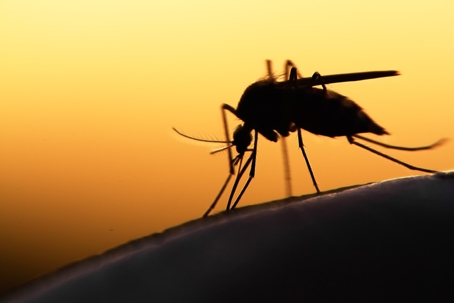
Mosquito Prevention Before the Next Downpour: A South Florida Homeowner's Checklist
South Florida's rainy season doesn't just mean afternoon thunderstorms, it means mosquito season kicks into high gear. Every bit of standing water left behind after a storm is a potential nursery, and mosquitoes only need about a week to go from egg to biting adult. If you wait until you're already swatting them off your arm on the patio, you're behind. Contact us today and take your yard back.
Here's what actually makes a difference, and why some "common sense" fixes don't go far enough.
Why Mosquitoes Love a Florida Yard After Rain
Mosquitoes don't need much — a bottle cap of water is enough for a female to lay dozens of eggs. In a typical Broward or Palm Beach backyard after a storm, that means:
- Clogged gutters holding pooled water
- Plant saucers and birdbaths
- Kids' toys, buckets, or wheelbarrows left outside
- Tarps or pool covers with low spots
- Bromeliads and other plants that naturally cup water in their leaves
- Low-lying areas of the yard that don't drain well
Because our climate rarely gets a hard freeze to reset the population, mosquito pressure tends to build all season rather than reset between storms.
The Weekly Habit That Matters Most
The single most effective thing you can do is a standing water check every 3-5 days — that's the mosquito breeding cycle, so if you're beating it, you're limiting new adults before they hatch. Walk the property and dump, flip, or cover anything holding water. It sounds almost too simple, but it's the step most homeowners skip.
Beyond the Basics: What a Professional Treatment Adds
A weekly walk-through helps with obvious containers, but it won't reach:
- Standing water in areas you can't easily see or access (low spots, under decks, storm drains)
- Dense shrubs and vegetation where adult mosquitoes rest during the day
- Bromeliads and thick groundcover that hold water in ways that are hard to fully drain
- Neighboring properties' breeding sites, which don't respect fence lines
Professional mosquito treatments typically combine larviciding (targeting standing water you can't easily eliminate) with barrier treatments on vegetation where adult mosquitoes rest, cutting down both the current population and the next generation before it hatches.
What to Do Before and After a Storm
Before a storm:
- Empty anything you won't be able to check on for a few days
- Secure or store items that could collect water once emptied
Within 48 hours after:
- Check gutters, tarps, and low-lying yard areas: this is when new breeding sites appear fastest
- Look at anything that collected water during the storm you might not normally think about (upturned patio furniture, grill covers, etc.)
Health Risks Are the Real Reason This Matters
Beyond the itch, mosquitoes in our region can carry viruses like Zika, dengue, and West Nile. Consistent prevention isn't just about comfort: it's a real health precaution, especially for households with young kids, pets, or anyone who spends a lot of time outdoors.
Take Back Your Yard
If you're doing the weekly checks and still fighting a losing battle, that's usually a sign the breeding source is somewhere you can't easily reach, which is exactly where a professional treatment plan earns its keep.
JP Miller & Sons Services offers one-time and ongoing mosquito treatments for Broward and Palm Beach properties, targeting both standing water and the vegetation where adult mosquitoes hide. Contact us today to get your yard back before the next storm rolls through.